

How UAE deployed AI and smart drones for Ramadan 2026 moon sighting
Six observatories sent live sky data
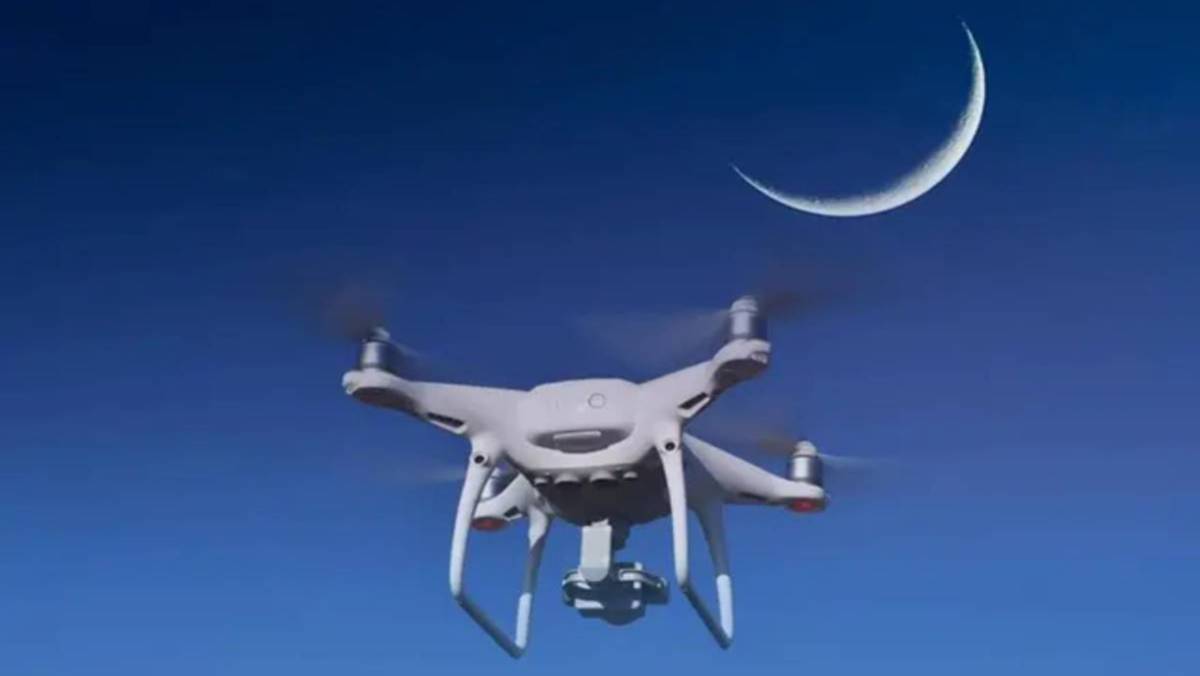
ABU DHABI – The United Arab Emirates (UAE) added a high-tech edge to a centuries-old Islamic tradition this year, as authorities used artificial intelligence and advanced drones to help confirm the Ramadan crescent sighting for 1447 AH.
The move blended religious practice with modern science, making the moon-sighting process faster, sharper, and more precise.
The Ramadan Crescent Sighting Committee, formed under the UAE Council For Fatwa, operated drones fitted with advanced optical and scientific imaging systems to scan the skies across multiple locations in the country. Images captured from the air and from ground observatories were then processed through AI tools designed to enhance clarity and detect the thin crescent arc.
Details were shared through the Emirates News Agency, which reported that the technology was used as a support layer alongside traditional visual and telescope observations.
Ramadan begins in UAE
Following the confirmed sighting, Muslims in the UAE observed their first fast today alongside Saudi Arabia, Qatar, Kuwait and Bahrain, where authorities also verified the crescent and announced the start of Ramadan on the same date.
Faith and science together
Dr Omar Habtoor Al Darei, Chairman of the General Authority of Islamic Affairs, Endowments and Zakat, said the committee combined Shariah methodology with scientific tools to reach the highest level of accuracy. He stressed that the process remained rooted in the Prophetic instruction to begin and end fasting upon confirmed sighting of the crescent.
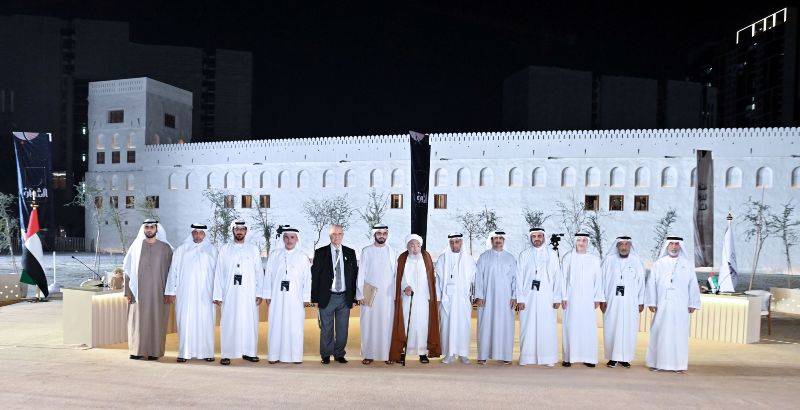
He said specialists and astronomers worked side by side, reviewing enhanced imagery and observational data before the final decision was issued.
Six-point sky scan
Authorities coordinated inputs from six observatories across the UAE, creating a nationwide observation grid. Drone flights allowed elevated viewing angles above haze layers, while AI systems improved contrast and filtered visual noise, helping experts distinguish the delicate crescent from clouds and atmospheric glare.
Officials said the tech-assisted approach increased confidence in the result and demonstrated how innovation can strengthen – rather than replace – traditional religious procedures.